UX/UI Published on by Chloé Chassany
23 examples of nudges to influence without forcing

From simple interface gamification to complete space design, nudges are becoming increasingly prevalent around us.
A return not in images, but in words, to this concept, which is at once theory, technique and practice.
‘… any aspect of choice architecture that changes people’s behaviour in a predictable way, without prohibiting or excluding any options or significantly changing their financial incentives. To be considered a nudge, the intervention must be easy and inexpensive to avoid.’
Thaler & Sunstein, 2008
The term ‘nudge’ was popularised in 2008 by economist Richard Thaler and law professor Cass Sunstein in their book Nudge: Improving Decisions About Health, Wealth, and Happiness.
By exploiting cognitive biases, nudge theory, also known as ‘libertarian paternalism’, seeks to encourage people to act in the right way.
Nudges modify certain elements in our environment to induce behavioural change with one mantra: encourage without coercing.
Used in Barack Obama’s campaign, in road safety and even in school canteens, nudges are increasingly being used to change and improve everyday life.
In summary, nudge theory is based on the principle that ‘homo economicus’ (who makes decisions in a self-centred manner) does not really exist. People are constantly influenced by their environment. Starting from a choice that is negative for them (choosing an unhealthy meal, not wearing a seatbelt, etc.), nudging intervenes to change their behaviour towards a better solution.
23 examples of nudges in everyday life
Since you were old enough to think for yourself, you have probably been influenced by nudges many times. Here are a few examples of nudges that have been implemented:
Giving the user a sense of control
Allowing a person to choose enables them to appreciate their choice more.
Example: In a canteen, offer one group of students two types of vegetables while another group had only one type of vegetable. The first group enjoyed eating their vegetables more because they had a choice, compared to the second group.
Enhance the sense of ownership
By attributing sentiment to something, owners are more inclined to want to keep it and increase its value.
Example: Half of a group was given a pen that they had to sell to the other half. The perceived value of each pen by its owner is higher than the value offered by potential buyers.
Ensure that the user finds an argument about the final result themselves.
When people are forced to come up with arguments, they are more likely to change their way of thinking.
Example: In a group of smokers, half were asked to encourage the other half to quit smoking. In searching for arguments to carry out this experiment, the first half reconsidered their position on smoking.
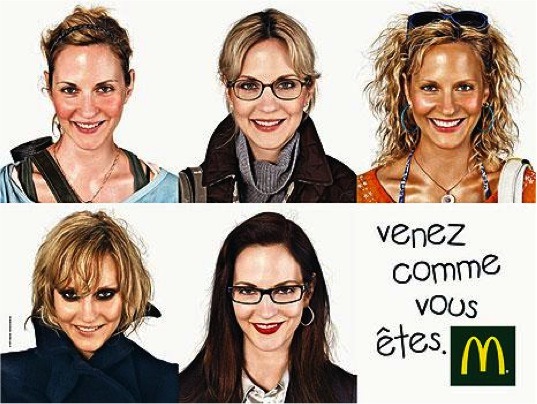
Align the desired outcome with the user’s identity
People want to make choices that reflect their identity. Appealing to someone’s identity makes it easier to achieve the desired behaviour.
Example: ‘Come as you are’: McDonald’s slogan and advertising campaign led to a 7.7% increase in turnover. The slogan has been in use for 15 years.
Highlighting stories
Referring to stories allows feelings and emotions to be expressed more naturally.
Example: In higher education institutions, more and more testimonials from students and former students are being shared to attract prospective students.
Using or presenting social norms
Social norms tend to bring together people who belong to the same group.
Example: The battle between iPhones and Android phones, comparisons are rife between features, price, etc.
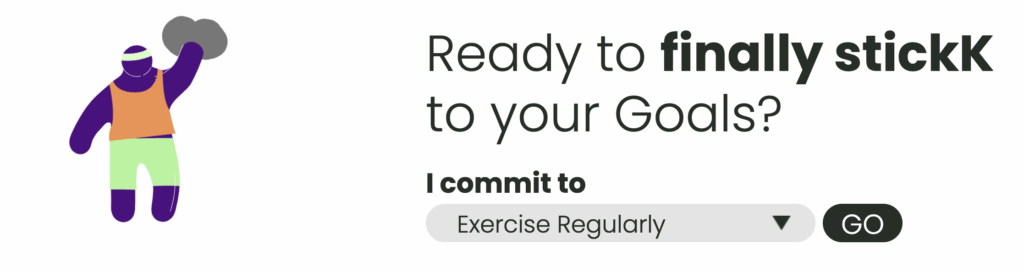
Associating a loss with an undesirable action
We hate losing more than we love winning. People break their habits if they risk losing.
Example: The website stickk.com allows customers to set up a contract with themselves. If the contract is not fulfilled on time, the money pledged will be donated to a charity they do not wish to support.
Associating new behaviours with a routine
When trying to adopt a new habit, it is easier to incorporate it into a routine rather than having to think about it.
Example: Remembering to take medication is easier if you take it at the same time every day rather than at random times throughout the day.
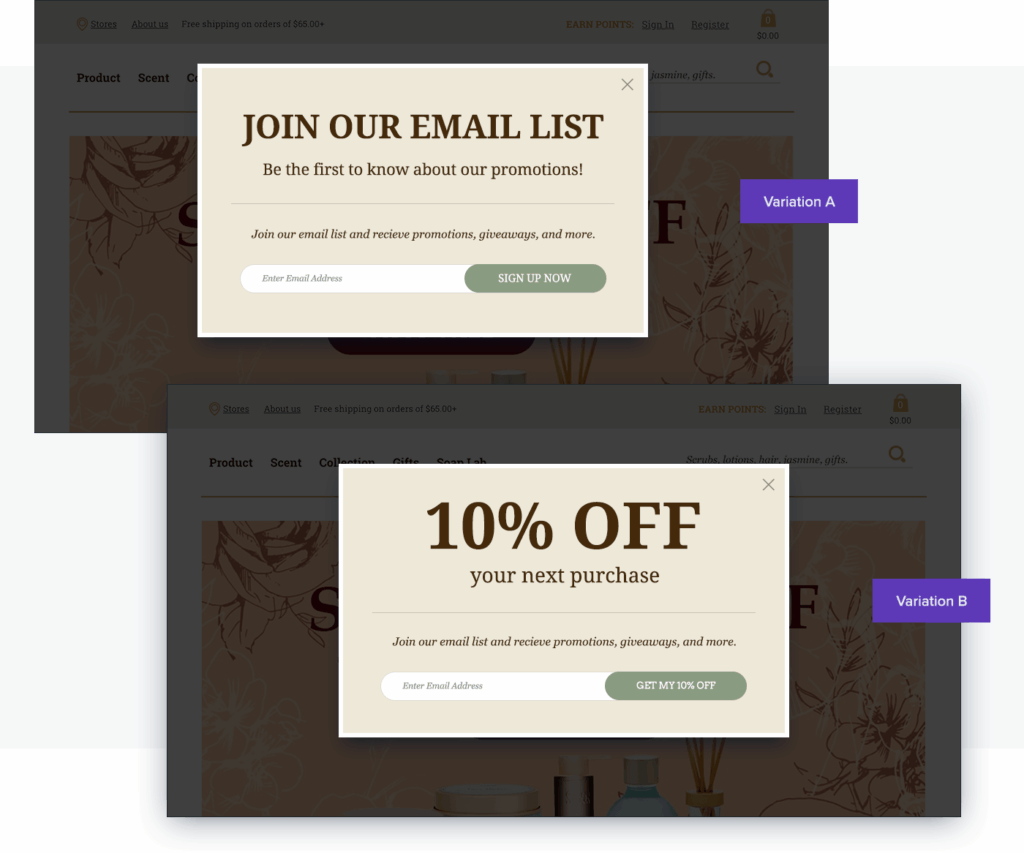
Earning now VS earning later
People prefer a gain in the present rather than in the future.
Example: Newsletters have a higher subscription rate if they offer a discount.
Multiply a gain into several
It is more enjoyable to receive several smaller wins than to receive one larger win.
It is more enjoyable to receive several smaller wins than to receive one larger win.
Surprise to please
It is easier to be satisfied if it is a surprise rather than a wish.
Example: When placing an order, including small gifts or a thank-you card in the parcel makes consumers happier than promising to include a little something inside.
Reduce or delay immediate losses
The further a loss is in the future, the less important it seems to be.
Example: When making a purchase, some credit cards are not debited immediately (although more and more banks are offering this option). Buying now and losing later minimises the loss.
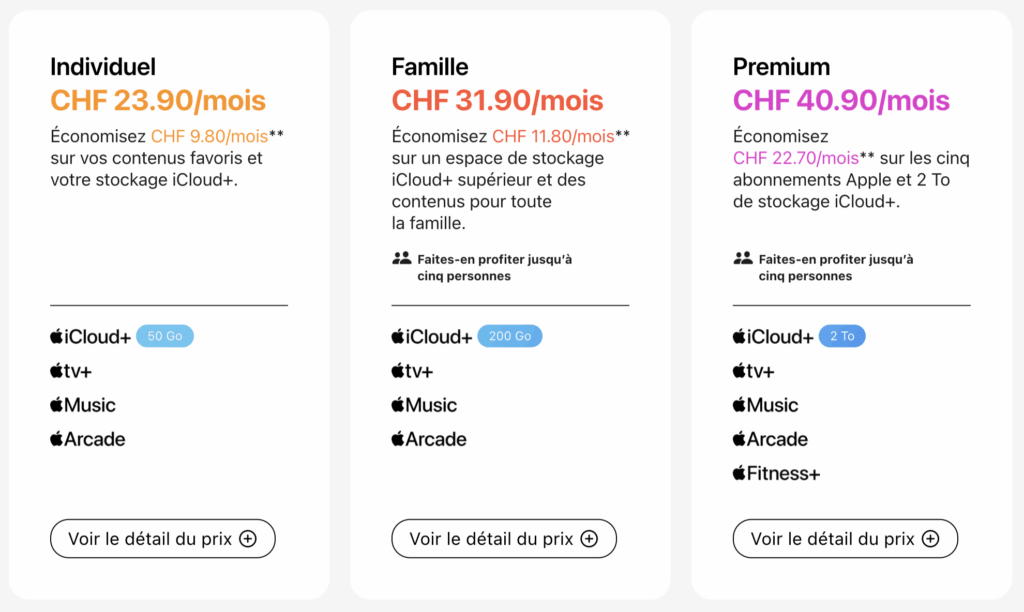
Consolidate losses
One loss is better than two: if two losses are combined, they appear less significant than if they were separate.
Example: Apple One offers to combine several subscriptions into one. In addition to saving money, the loss of money seems less significant because it is combined into a single payment.
Assist in making commitments in advance
Making the right choice is never easy in the moment. It is easier to make a decision without being able to change your mind.
Example: Meal boxes (Hello Fresh, etc.) are already balanced so that you don’t have to think about it when the time comes.
Create positive expectations
People’s expectations can change an experience.
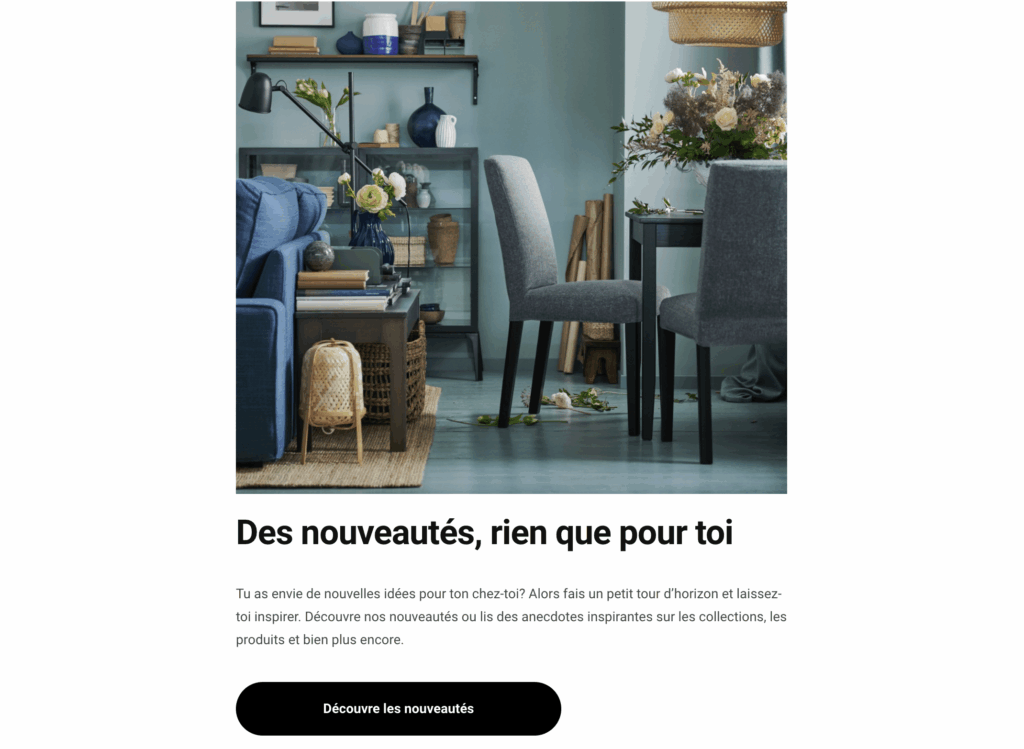
Example: In its newsletters, IKEA presents its new products as ‘New arrivals, just for you’, even though the new products are available to everyone.
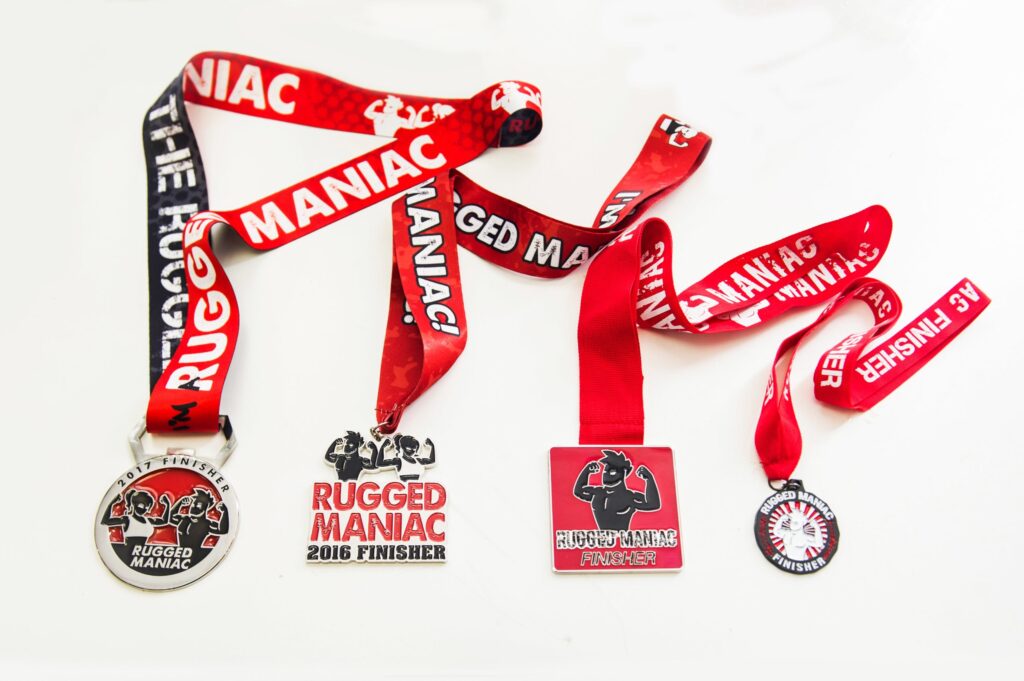
Introduce a highlight to end on a positive note
People tend to remember and evaluate past experiences based on the most intense moment, whether positive or negative. They will be more likely to want to repeat the experience if it was enjoyable.
People tend to remember and evaluate past experiences based on the most intense moment, whether positive or negative. They will be more likely to want to repeat the experience if it was enjoyable.
Provide frequent feedback on the consequences of their actions.
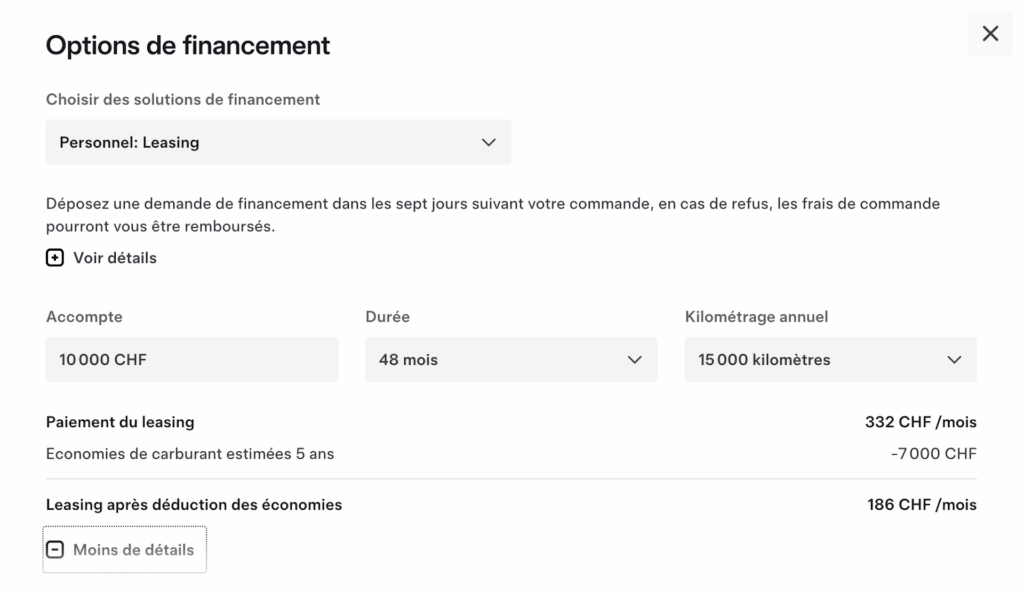
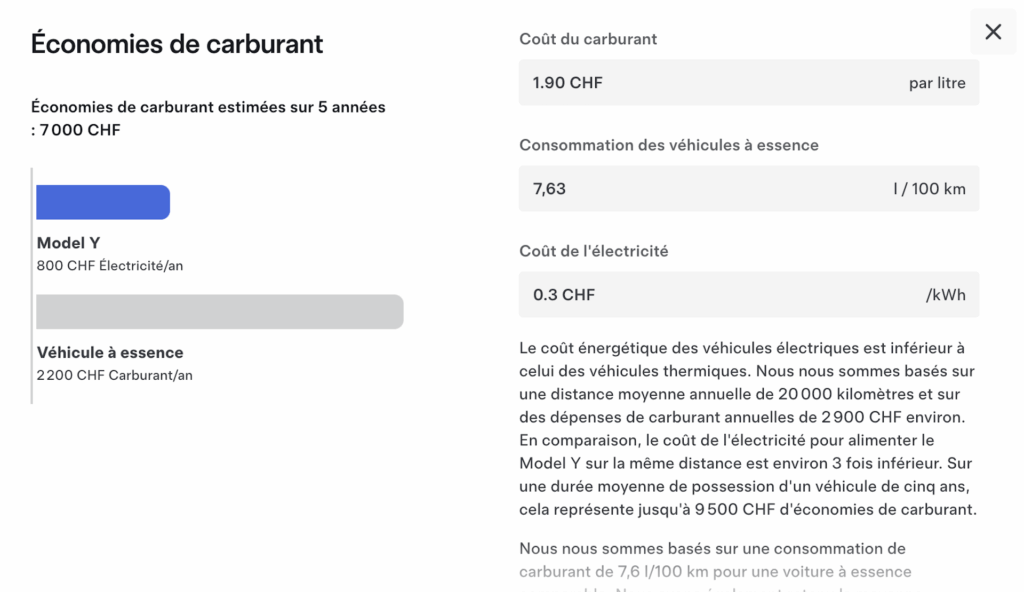
It is difficult to make connections between the present and the future. It is therefore important to show the consequences in the future.
Example: When making a purchase on tesla.com, a simulator allows you to see the savings made between a Tesla and a petrol vehicle.
Draw attention to the desired option
Capturing attention makes it easier to encourage people to choose an option. The more a person looks at an option, the more likely they are to select it.
Example: Products with original or colourful packaging are more likely to be chosen.
Making a default option the expected result
No one likes making decisions, especially difficult ones. A default choice minimises this effort and will more naturally become the chosen option.
Example: Countries that implement presumed consent for organ donation have 60% more donations than countries where consent is voluntary.
Make the expected result an option that is not extreme.
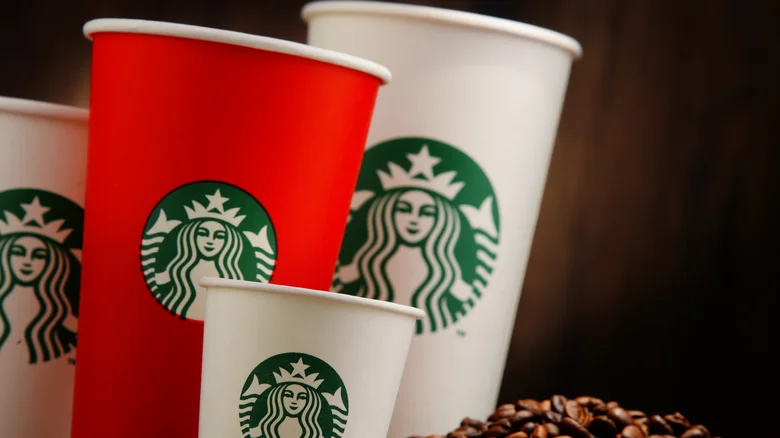
People are more likely to choose a middle-of-the-road option than an extreme one (the cheapest or most expensive, the smallest or largest, etc.).
Example: At Starbucks, there are three sizes: tall, grande and venti. Consumers are more likely to choose the middle size, as it offers better value for money.
Reducing fears
People tend to avoid options they are unfamiliar with or have no insight into.
Example: Prospective buyers do more research before purchasing an electronic device they are unfamiliar with than they do for a brand they know. Brands therefore have a greater interest in explaining how their products are used.
Do not overwhelm
Consumers are bombarded with information. When faced with serious or frightening information, they are more likely to shut down and ignore it.
Example: The pictures and messages on tobacco packets have become commonplace and no longer have the same impact they did when they were first introduced.
Minimising choices reduces decision-making fatigue.
Making several decisions in succession can tire a person and cause them to make random decisions.
Example: An online language test with many questions tires the user over time. By the end of the test, they will not be as focused as they were at the beginning.
And what about the designers?
There are far more nudges possible. When designing a project, designers would therefore be well advised to consider how to encourage people to change innate behaviour.
Nudges also play an important role in ethical design, as they enable positive and responsible influence. By using nudges, designers can encourage people to make more ethical decisions that are respectful and beneficial to themselves and society.
Designers and developers must therefore ensure that nudges are used in a transparent, optional and reversible manner in order to preserve users’ freedom of choice.
Are there such things as “bad nudges”?
Yes, these are called dark patterns. They are design techniques that aim to deceive or manipulate a user into performing an action against their will or interests.
